Grand Prairie TX — Same-Day Service

Hydro Jetting
Grand Prairie

High-pressure water jetting tuned to Grand Prairie's split pipe inventory — reduced 1,500–2,500 PSI on Dalworth Park 1940s cast iron, full 4,000 PSI on modern PVC in Mira Lagos and Grand Peninsula. Every job starts and ends with a camera. Commercial grease-line bundles for the I-30 and SH-161 corridor.

4.9/5 from DFW customers
Schedule Jetting — Grand Prairie TX (817) 214-1039 Same-day scheduling available
Pressure tuned to pipe vintage and material
Camera inspection before and after included
Residential and commercial corridor service
Grease trap manifest documentation
Upfront flat-rate pricing — no surprises
Tiered PSI by Pipe Vintage
Camera Before and After
Results Last 18–24 Months
TSBPE Licensed Plumbers
Serving 75050 – 75054
4,000 PSI
Max on Modern PVC
1,500 PSI
Reduced for Aged Cast Iron
18–24 Mo
Typical Result Duration
Same Day
Service Available
Grand Prairie Hydro Jetting
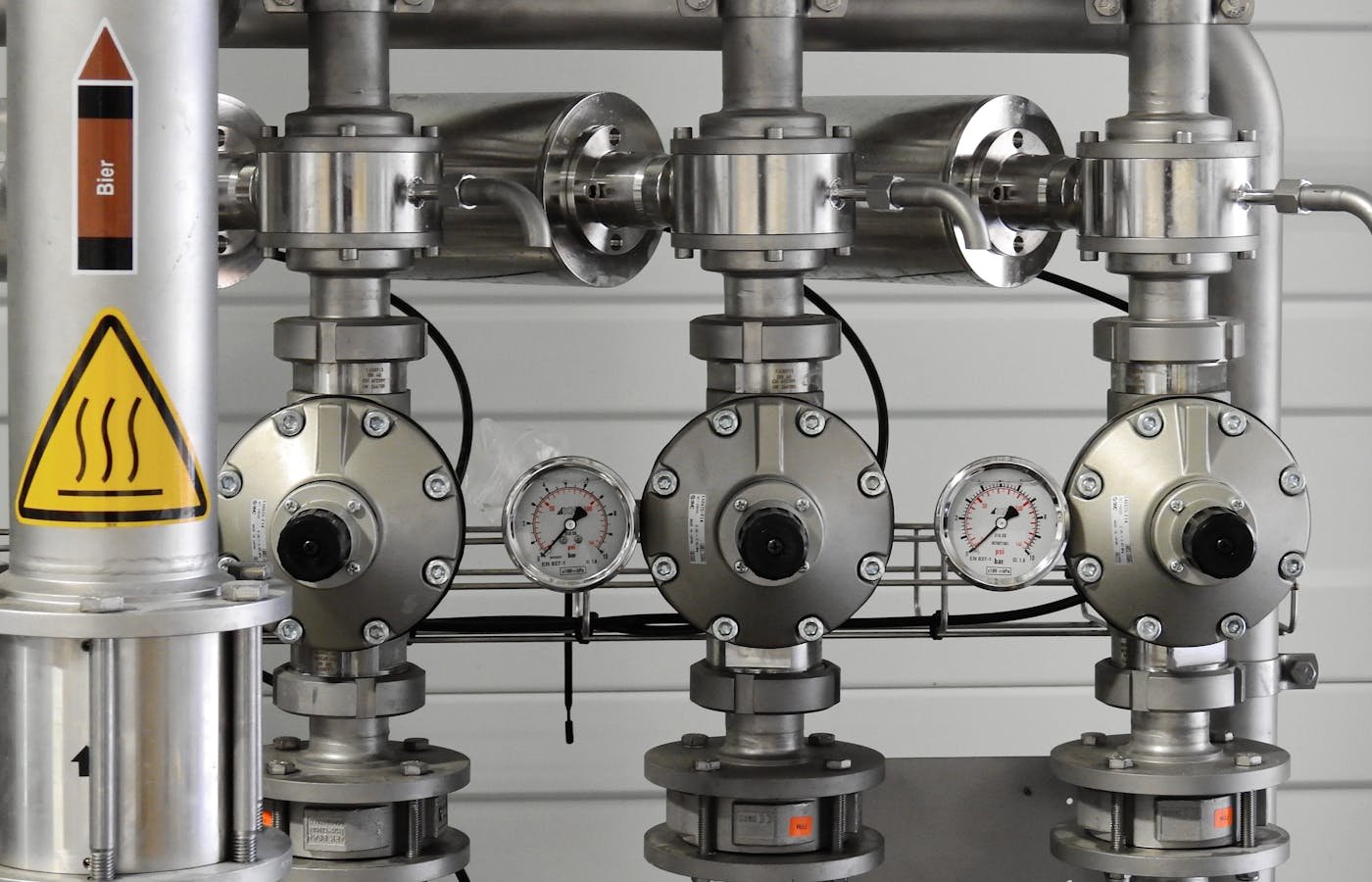
Hydro jetting Grand Prairie TX
Camera-First Protocol · Tiered-PSI Service
18Mo Results
Why Grand Prairie Demands a Camera-First Approach

From 1940s Dalworth Park to 2020s Grand Peninsula — One Pressure Setting Does Not Fit All

Grand Prairie's sewer infrastructure spans nine decades. Dalworth Park (founded 1940) runs cast iron drain lines now 60 to 80 years old. Central Grand Prairie housing built between the 1950s and 1970s runs cast iron at end-of-service life. Mid-1980s through 1990s subdivisions are early PVC and ABS. Mira Lagos and Grand Peninsula — post-2000 master-planned around Joe Pool Lake — are modern PVC and SDR-35.

Running full 4,000 PSI through a corroded Dalworth Park cast iron line is the kind of decision that turns a $450 jetting job into a $12,000 dig-and-replace. Every Grand Prairie jetting job at Cowtown Drain starts with a camera. Pressure is set based on what the camera actually shows.

  • Pre-jet camera confirms pipe material and structural integrity
  • PSI tuned to pipe vintage — no one-size-fits-all setting
  • If the line is not a jetting candidate, you hear so before any work begins
  • Post-jet camera confirms restored flow at original diameter
Call (817) 214-1039
When Hydro Jetting Is the Right Tool for Grand Prairie

Three Grand Prairie Conditions That Demand Jetting

If any of these match your situation, cable augering will leave the underlying cause in place. Jetting removes the material, not just the symptom.

01
Restaurant Grease Lines on I-30 / SH-161

The commercial corridor — Lone Star Park, Texas Trust CU Theatre, IKEA, Premium Outlets, Asia Times Square — runs heavy grease loads. Cable cannot maintain a commercial grease line. Jetting at 4,000 PSI through a 6-inch nozzle restores full flow and supports the 6 or 12 month maintenance cadence that keeps grease traps below the 25% ordinance threshold.

02
Live Oak & Cedar Elm Root Intrusion

Live oak, pecan, cedar elm, and hackberry — all dominant Grand Prairie Plains species — exploit joints opened by Blackland Prairie clay shrink-swell. Roots do not break intact pipe; they enter through separations the soil cycle has already created. Cable cuts and leaves fragments. Jetting removes the root material from the pipe walls entirely.

03
Grease + Hard-Water Scale in Cast Iron

Grand Prairie water runs in the 91–132 ppm range — moderately hard. In aged Dalworth Park and central Grand Prairie cast iron, calcium and magnesium scale combines with kitchen grease to form a calcified rind on pipe walls. Cable cuts a hole through it; jetting at the correct reduced pressure dissolves and flushes the entire layer without stressing the corroded pipe.

We will not jet a pre-1980 Grand Prairie lateral without a camera inspection first. Pressure-blasting an unconfirmed cast iron or Orangeburg line in Dalworth Park or central Grand Prairie is how small problems become enormous ones. The pre-jet camera takes 15 minutes, costs nothing on a jetting job, and protects you from a five-figure repair bill.

The Grand Prairie Jetting Protocol

Five-Step Process — Camera First, Camera Last

No "we noticed something else after we started." The pre-jet camera tells us — and you — exactly what is under the slab before pressure is applied.

1
Pre-Jet Camera Inspection

A drain camera inspects the full lateral. Pipe material — cast iron, clay tile, ABS, PVC, transition section — is confirmed visually. Joints are inspected for separation. Cracks, bellies, and collapsed sections disqualify the line from jetting and route it to repair.

2
Pressure Tier Selection

Modern PVC (Mira Lagos, Grand Peninsula, post-2000 Westchester): 3,500–4,000 PSI. Cast iron under 30 years old: 2,500–3,000 PSI. Cast iron over 50 years, clay tile, or Orangeburg (Dalworth Park, central GP pre-1970): 1,500–2,500 PSI. Pressure shown on the truck gauge before the pump starts.

3
Full-Lateral Jetting Pass

Hose feeds through the outdoor cleanout. Rotating omnidirectional nozzle scours the full pipe circumference. Grease, scale, root fragments, and debris flush downstream to the city main. Typical residential lateral: 60–120 feet end-to-end.

4
Post-Jet Camera Verification

A second camera pass confirms the pipe is restored to full original diameter and flowing freely. Before-and-after footage shown on the technician's screen — you see the result rather than taking our word for it.

5
Maintenance Plan + Manifest

Recommended next-service interval based on pipe material, tree proximity, grease accumulation rate, and ZIP code. Commercial jobs receive a service manifest meeting City of Grand Prairie grease-trap documentation requirements.

Transparent Pricing

Grand Prairie Hydro Jetting Costs

Flat-rate pricing confirmed on-site before any work begins. Camera inspection included before and after.

Dense Root Intrusion
$450–$700
Multiple passes, root cutter
Commercial / Restaurant
$550–$950
4–6 inch lines, grease load
Camera Inspection
Included
Pre and post jetting

Residential estimates for Grand Prairie 75050–75054. Final price confirmed in writing on-site after the pre-jet camera inspection determines pipe material and condition. Camera is included on every jetting job — never an upsell. Commercial accounts: ask about scheduled-cadence pricing.

The Grand Prairie Pipe-Era Map

What's Underground in Each Grand Prairie District

Knowing the era determines the protocol. Here is the rough lay of Grand Prairie's sewer infrastructure by neighborhood.

Dalworth Park (founded 1940)

Homes built 1940–1969 in the original cast iron era. Pipe age now 55–85 years — well into the back half of cast iron service life. Reduced-pressure jetting (1,500–2,500 PSI) is the standard protocol here. Pre-jet camera mandatory on every lateral.

Central Grand Prairie (1950s–1970s)

Mid-century housing across 75050 and 75051 cores. Cast iron drain lines with mixed clay tile laterals at property edges. Grease and scale dominate the failure pattern; root intrusion is secondary. Reduced-pressure protocols apply for confirmed older sections.

Westchester & Mountain Creek

Lakeside neighborhoods along Joe Pool Lake and Lynn Creek. Mixed pipe ages, often with elevation-driven slope complications on the lateral runs. Silt-laden runoff from the Mountain Creek watershed adds an unusual sediment load worth tracking on the post-jet camera.

Sheffield Village & Lakeridge

1990s–2000s subdivisions in the Joe Pool Lake area. Early PVC and ABS. Joints stressed by clay shift but pipe walls themselves are within service life. Routine 18–24 month jetting prevents grease scale accumulation.

Mira Lagos & Grand Peninsula

Post-2000 master-planned communities. All modern PVC and SDR-35. Full 4,000 PSI residential jetting is appropriate. Calls here are typically grease accumulation rather than structural failure — trees haven't had time to establish near most laterals.

I-30 & SH-161 Commercial Corridor

Restaurant clusters around Lone Star Park, Texas Trust CU Theatre, IKEA, Grand Prairie Premium Outlets, and Asia Times Square. Scheduled commercial jetting on 6 or 12 month cadences with manifest documentation. 6-inch nozzles on full pressure for grease line maintenance.

Customer Reviews

What Grand Prairie Customers Say

1952 Dalworth Park house. A competitor quoted me a 4,000 PSI jetting job — Cowtown insisted on the camera first, found that my cast iron was way too corroded for full pressure, and jetted at a careful 2,000 PSI. Line cleared, pipe intact, no surprise hole in my yard.

JG
Joseph G.Dalworth Park — 75050

Restaurant near Lone Star Park. We were jetting every three months with another company at $700 a pop. Cowtown set up a six-month cadence at the proper pressure with a 6-inch rotating nozzle. Eight months later we are still clear and the grease trap manifest is current.

LH
Luis H.I-30 corridor — commercial

Mira Lagos house, 2014 build. Recurring kitchen drain clog despite three previous snake jobs. They jetted at full pressure, showed me before-and-after camera footage — the line was coated in grease, then it wasn't. Fifteen months later: still clear.

AK
Ana K.Mira Lagos — 75054
Hydro Jetting sibling coverage

Hydro Jetting across every Tarrant County city

Same crew, same response window, same flat-rate pricing — every city in our Tarrant County service area gets the identical hydro jetting workflow.

Common Questions

Grand Prairie Hydro Jetting FAQ

Standard residential hydro jetting in Grand Prairie runs $350–$600 for a single sewer lateral up to 4 inches. Lines with dense root intrusion run $450–$700. Commercial jetting (restaurant grease lines along I-30, SH-161, the Lone Star Park district, and the Premium Outlets corridor) runs $550–$950. Camera inspection is included before and after every job.

Every 18–24 months for most residential properties. Annual jetting is recommended for homes with mature live oaks, pecans, or cedar elms within 20 feet of the lateral — common in older Dalworth Park, central Grand Prairie, and Mountain Creek. Restaurant grease lines should be jetted every 6–12 months and must be serviced before reaching 25% grease trap capacity per Grand Prairie ordinance.

Yes when pressure is tuned correctly and the pipe is structurally sound. Cast iron over 50 years old (common in Dalworth Park 1940s–1960s and central Grand Prairie) is jetted at a reduced 1,500–2,500 PSI rather than full pressure. The pre-jet camera inspection determines the correct pressure tier. If the camera shows cracks, separations, or pipe belly, jetting is not the right tool and we will say so.

Only when the wrong pressure is used on a vulnerable pipe. Running full 4,000 PSI through a 60-year-old cast iron Dalworth Park line can rupture corroded sections. That is precisely why pre-jet camera inspection is mandatory on any pre-1980 Grand Prairie lateral — pressure is set after pipe vintage is confirmed, not before.

Yes. A rotating omnidirectional nozzle cuts root masses and flushes fragments out of the pipe. Cable augering only punches a hole through roots and leaves fragments that regrow in 3–6 months. Jetting removes the root material from the pipe walls entirely — typically extending the clear interval to 18–24 months in Grand Prairie's expansive-clay soil where root entry at separated joints is the dominant failure mode.

Snaking (cable augering) punches a hole through a blockage. Jetting scours the full pipe wall circumference. Snaking is the right tool for a one-time soft clog. Jetting is the right tool for grease buildup, hard-water scale (Grand Prairie water runs in the 91–132 ppm range, moderately hard), root intrusion at clay-soil-shifted joints, and any commercial line with recurring problems.

Yes. The I-30 and SH-161 commercial corridor — Lone Star Park, Texas Trust CU Theatre, IKEA, Grand Prairie Premium Outlets, Asia Times Square — drives heavy restaurant grease loads. We offer scheduled commercial grease-line jetting on 6 or 12 month cadences with documented service records that satisfy City of Grand Prairie grease trap manifest requirements.

Same-Day Service Available

Grand Prairie Hydro Jetting
Done Right.

Camera first. Pressure tuned to your pipe vintage. Results that last 18–24 months. Commercial-grade documentation. Upfront flat-rate pricing.

(817) 214-1039